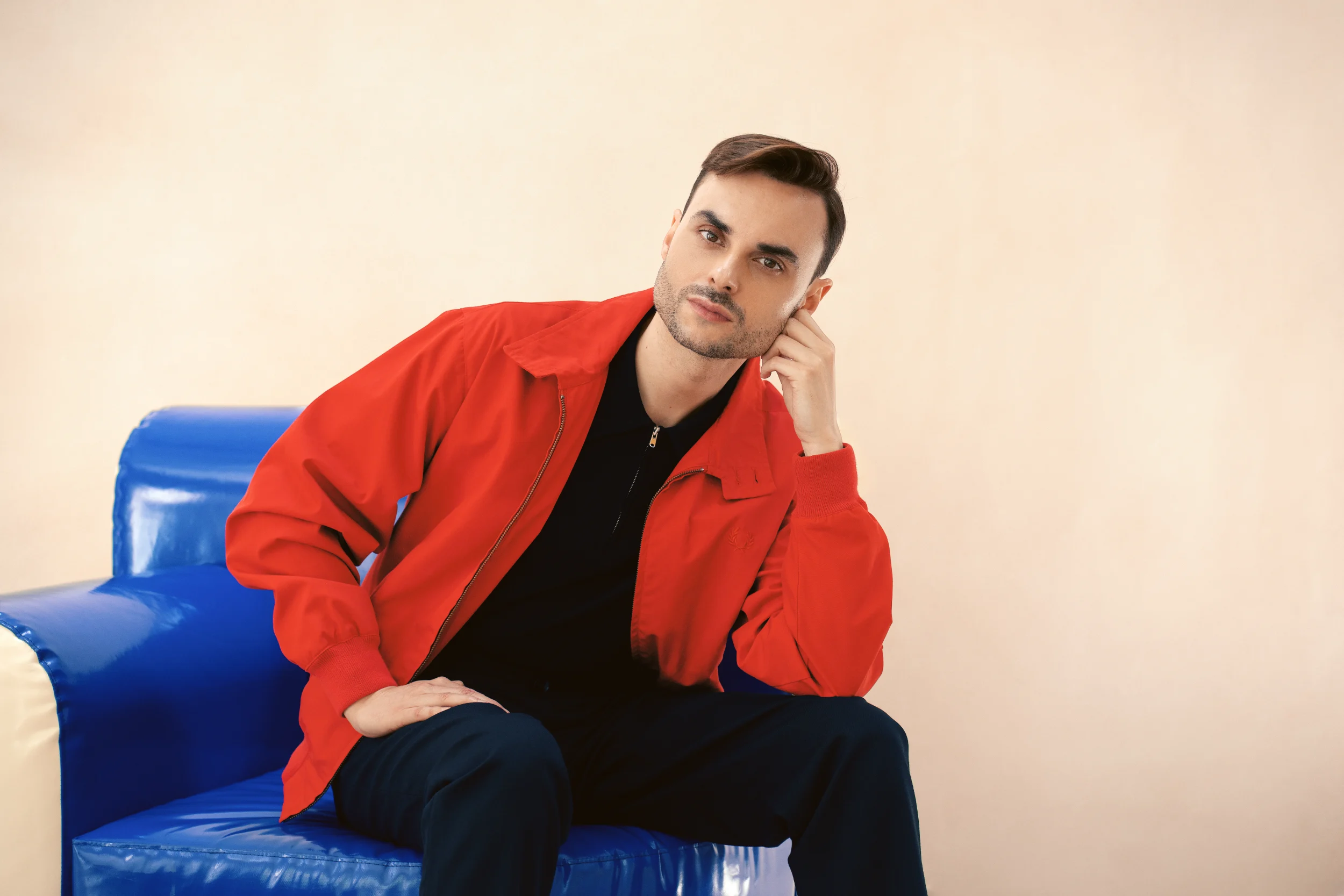
Biography
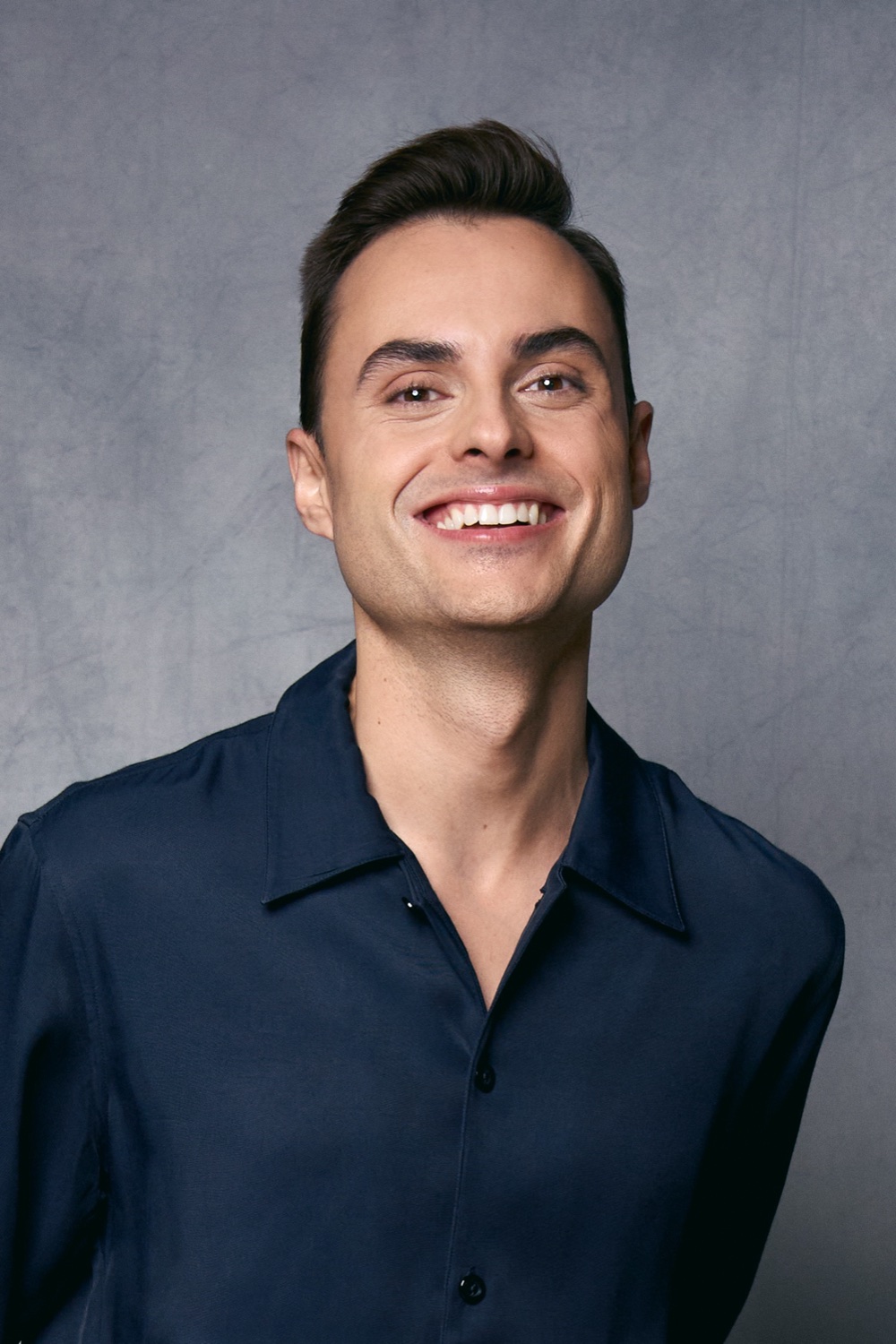 © Gemma Escribano
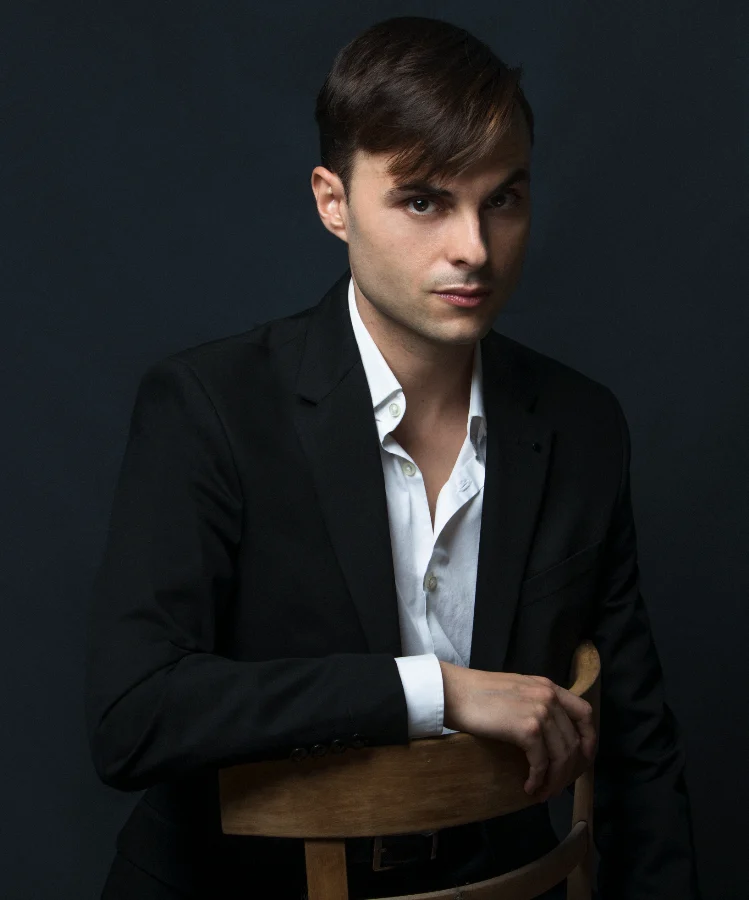 © Javier Salas
Praised by the critics for his «unquestionable musicianship» and for «the decisive beauty of his natural production, timbre and intonation», the Córdoba-born tenor Pablo García-López pursues a career spanning opera, concert and recital, with a particular commitment to the Mozartian, Baroque, Spanish and contemporary repertoire.
He has appeared at venues including the Teatro Real, the Gran Teatre del Liceu, the Teatro de la Zarzuela, the Palau de les Arts, the Opéra Royal de Wallonie-Liège, the Opéra de Lausanne, the Royal Opera House Muscat and the Théâtre du Capitole de Toulouse. Over the course of his career he has worked with conductors such as Zubin Mehta, Riccardo Chailly, Jesús López-Cobos, Susanna Mälkki, Manuel Hernández-Silva and Aarón Zapico.
In the 2026–2027 season, García-López returns to the Teatro Real as Don Curzio in Le nozze di Figaro; to the Teatro de la Zarzuela as Tomillo in La bruja; and to the Gran Teatre del Liceu with Die Zauberflöte, taking on the role of Monostatos for the first time in Spain. The season also includes The Golden Dragon, Tránsito, Messiah, El barberillo de Lavapiés and his role debut as Belmonte in Die Entführung aus dem Serail.
He combines his operatic work with a busy presence on the concert and chamber-music platform. He continues to tour De sópitu with Forma Antiqva, a programme warmly received since its premiere and set down on disc. He also gives the premiere of Gongoriana at the Gran Teatro de Córdoba, a new multidisciplinary staging with Ignacio Prego as musical director and Ignacio García as dramaturg, exploring the creative world of Luis de Góngora through music, poetry and the stage.
Especially committed to reviving the Spanish musical heritage and to new music, García-López has led projects such as Scipione nelle Spagne by Alessandro Scarlatti with La Ritirata; the recording of El regreso del hijo pródigoby Carles Baguer with Vespres d’Arnadí; the programme Trompicávalas Amor with Josetxu Obregón and Ignacio Prego; and recitals with the pianist Duncan Gifford that have included premieres of works by Helena Cánovas Parés and Jesús Torres.